

Strengthening Livelihoods and Climate Resilience in Northern Adamawa State
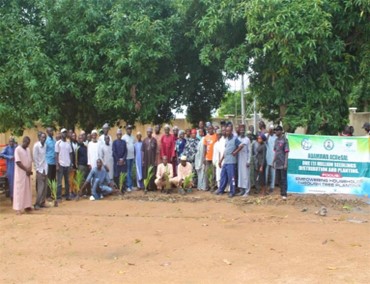
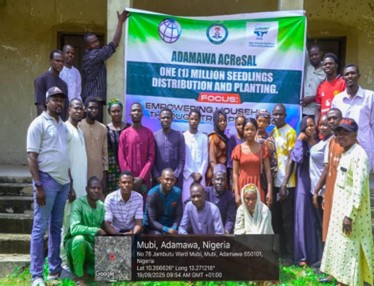
In partnership with ACReSAL, and implemented by Wahatana Empowerment Initiative, this large-scale environmental and livelihood intervention supported households across six Local Government Areas in Northern Adamawa State, Nigeria.
The project combined data collection and seedling planting to promote environmental sustainability, improve food security, and strengthen rural household incomes.
Project Location
The intervention covered six LGAs in Adamawa State:
✅ Madagali
✅ Michika
✅ Mubi North
✅ Mubi South
✅ Maiha
✅ Hong
A total of 16 wards and 24 communities were reached.
Project Overview
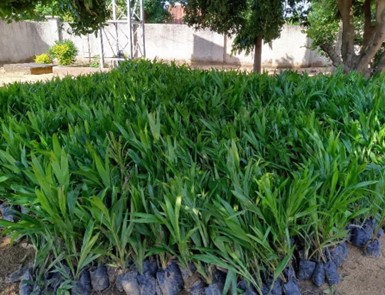
A total of 110,000 economic tree seedlings were allocated to the Northern Zone and distributed fairly across communities based on:
● Household size
● Land availability
● Community representation
Distribution followed a structured system from LGA to ward to household level to ensure transparency and equitable access.
Project Objectives
• Promote environmental sustainability through household tree planting
• Strengthen rural livelihoods through economic tree cultivation
• Improve food security and nutrition
• Enhance climate resilience in vulnerable communities
• Conduct household-level data collection for monitoring and evaluation
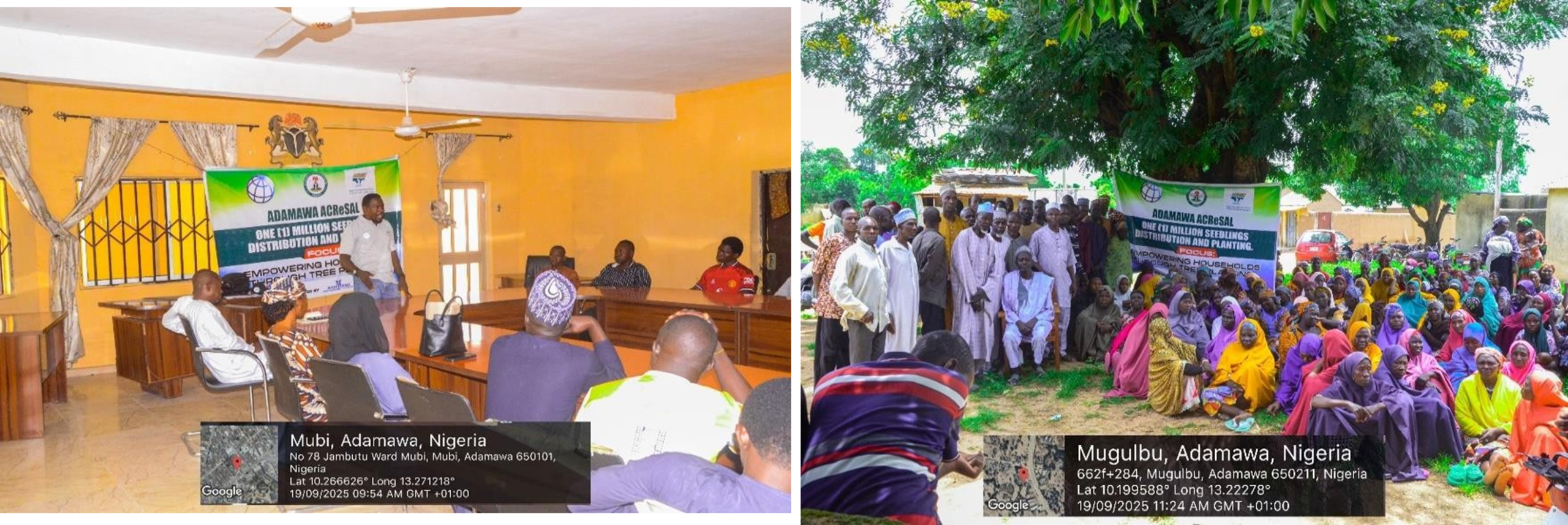
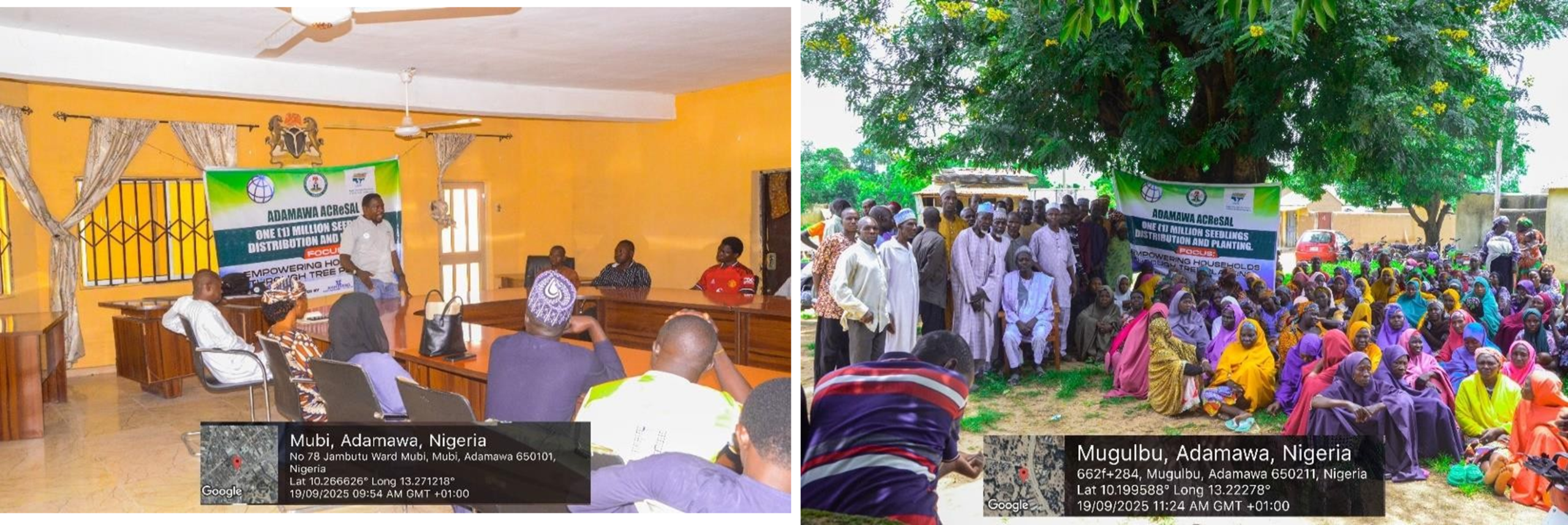
Advocacy & Community Engagement
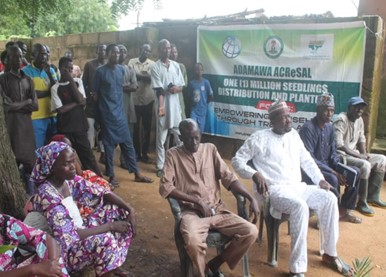
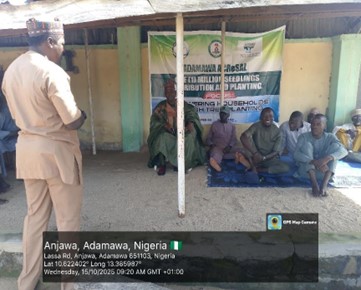
Before implementation, advocacy visits were conducted to traditional and religious leaders across the targeted communities.
The visits aimed to:
✔ Sensitize leadership on project activities
✔ Secure cooperation and local ownership
✔ Mobilize households for participation
✔ Encourage long-term seedling maintenance
Community leaders expressed strong support, which significantly improved coordination and participation.
Seedlings Distributed & Planted
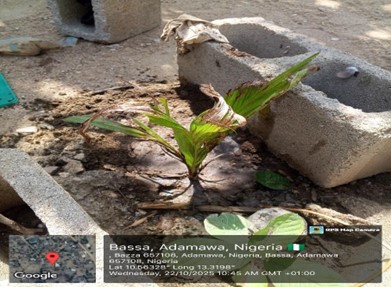
Seven species of high-value economic trees were planted:
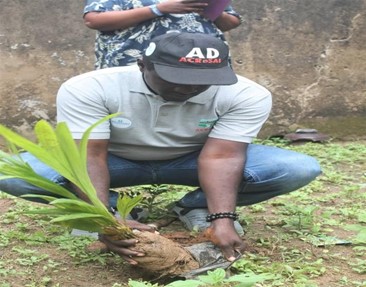
✅ Tenera Palm
✅ Mahogany
✅ Guava
✅ Citrus (Lemon & Orange varieties)
✅ Black Currant
✅ Mango
✅ Orange
These species were selected based on:
● Climate adaptability
● Income-generating potential
● Nutritional value
● Environmental impact
The cultivation of Mango, Tenera oil palm, Guava, and Black Currant presents strong potential for long-term household income diversification.
Distribution Breakdown by LGA
| LGA | Seedlings Received | Households Covered |
|---|---|---|
| Madagali | 20,000 | 5,500 |
| Michika | 21,000 | 6,660 |
| Mubi South | 14,000 | 4,600 |
| Mubi North | 17,000 | 4,800 |
| Maiha | 18,000 | 5,000 |
| Hong | 20,000 | 5,000 |
| Total | 110,000 | 31,460 households |
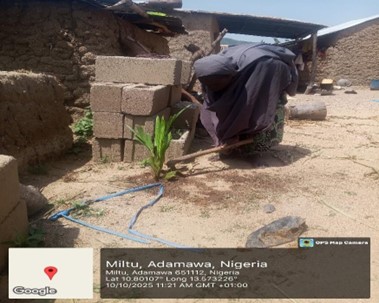
Each household received between 3–4 seedlings depending on land capacity and allocation guidelines.
Key Activities Conducted
• Mobilization and coordination of trained enumerators
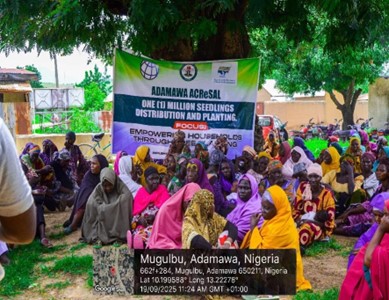
• Community sensitization and site identification
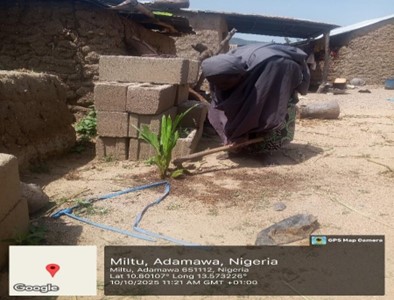
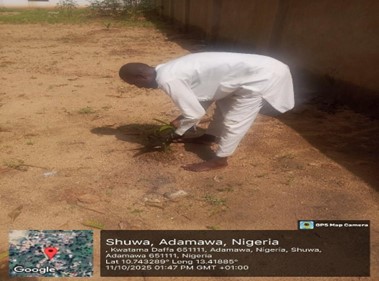
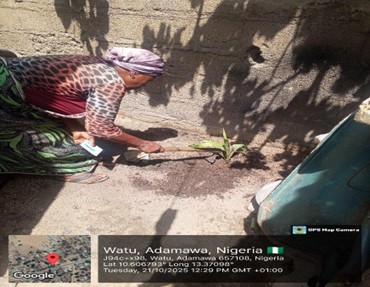
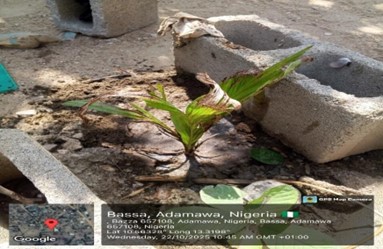
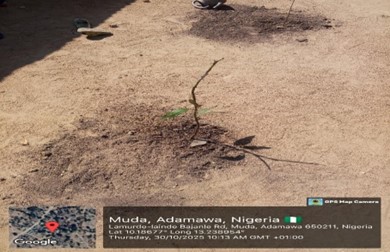
• Simultaneous data collection and planting exercise
• Household documentation for monitoring
• Field supervision and coordination
The integration of data collection strengthened accountability and future impact tracking.
Achievements & Impact
✔ 110,000 economic tree seedlings distributed
✔ 31,460 households directly reached
✔ Increased awareness of environmental conservation
✔ Strengthened collaboration with community leaders
✔ Improved coordination of field operations
This initiative contributes significantly to:
• Climate change mitigation
• Sustainable agriculture
• Household income diversification
• Rural food security
Challenges Encountered
• Limited community availability due to farming and harvest season
• Poor road conditions affecting logistics
• Insufficient seedlings relative to community demand
Despite these challenges, the exercise was successfully completed across all targeted LGAs.
Recommendations for Future Phases
• Conduct follow-up visits to monitor survival and growth rates
• Strengthen community ownership in tree maintenance
• Expand coverage to additional communities
• Provide additional logistical support to enumerators
• Establish market linkages for long-term economic benefit
Conclusion
The Household Economic Tree Distribution and Plantation Initiative in Northern Adamawa State represents a strategic investment in environmental sustainability and rural livelihoods.
By combining climate-smart agriculture with community participation, the project lays a foundation for:
• Long-term income generation
• Enhanced food security
• Improved climate resilience
• Sustainable environmental management
This intervention demonstrates how targeted tree planting initiatives can drive both ecological restoration and poverty reduction.
Photo Gallery