

Restoring Access to Education for Vulnerable Children in Numan and Song LGAs
“Every Child is Special – Education is not just a preparation for life; education is life itself.”
Project Overview
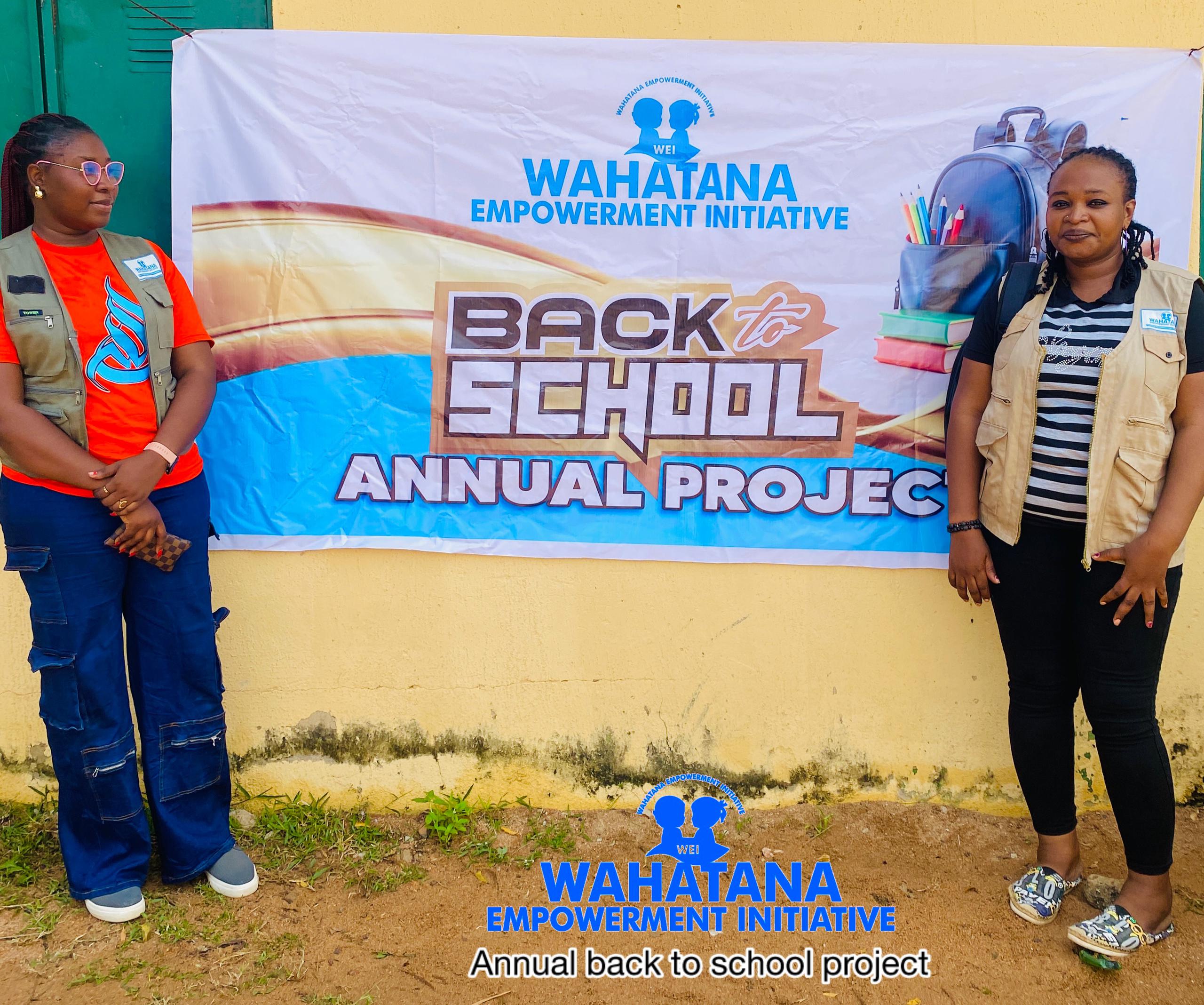
In September–October 2025, Wahatana Empowerment Initiative (WEI) implemented the Back to School Project in rural Adamawa State, Nigeria. The initiative directly supported 100 vulnerable primary school pupils in two LGAs:
1. Imburu Primary School – Numan LGA
2. Murke Primary School – Song LGA
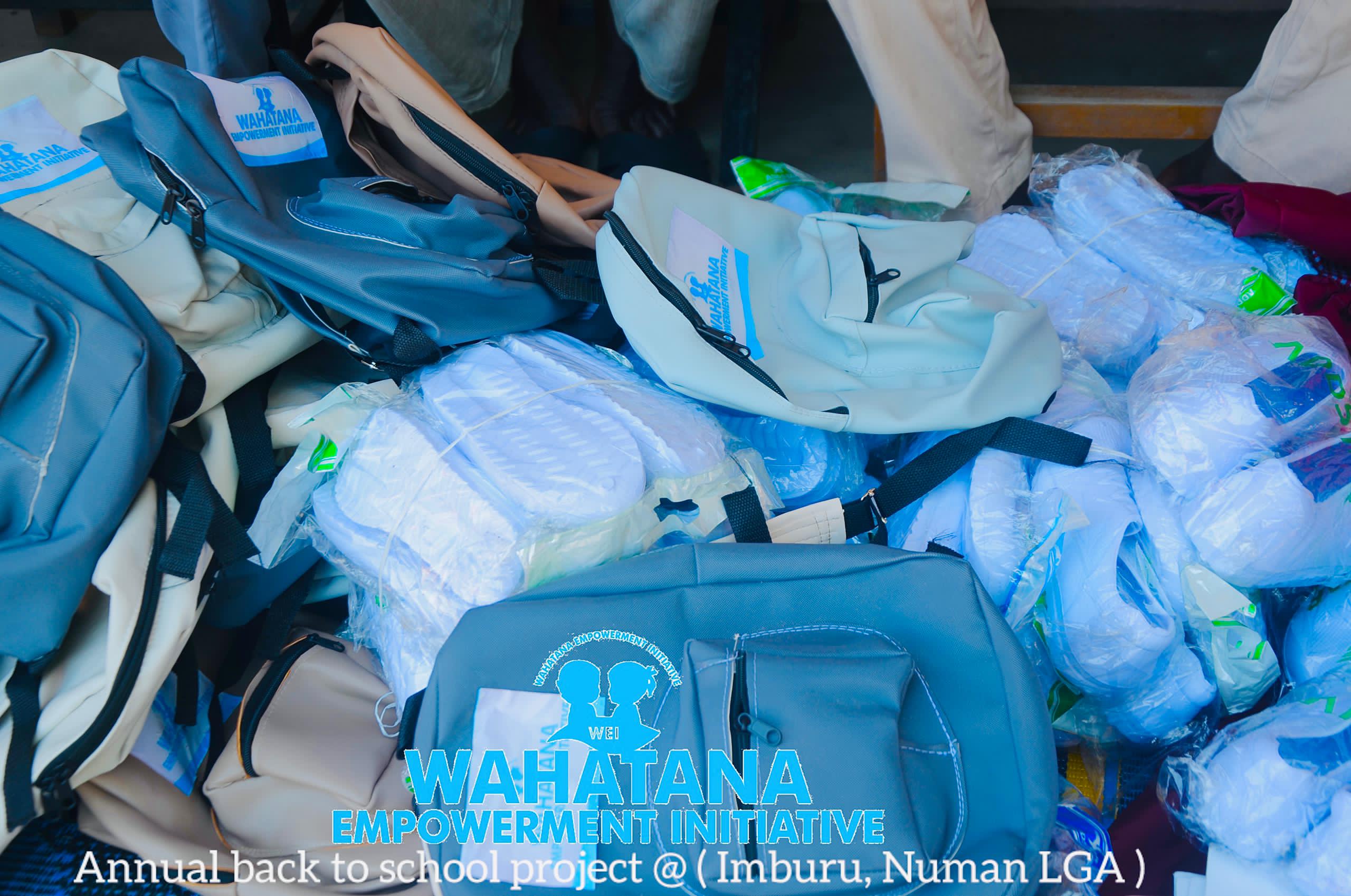
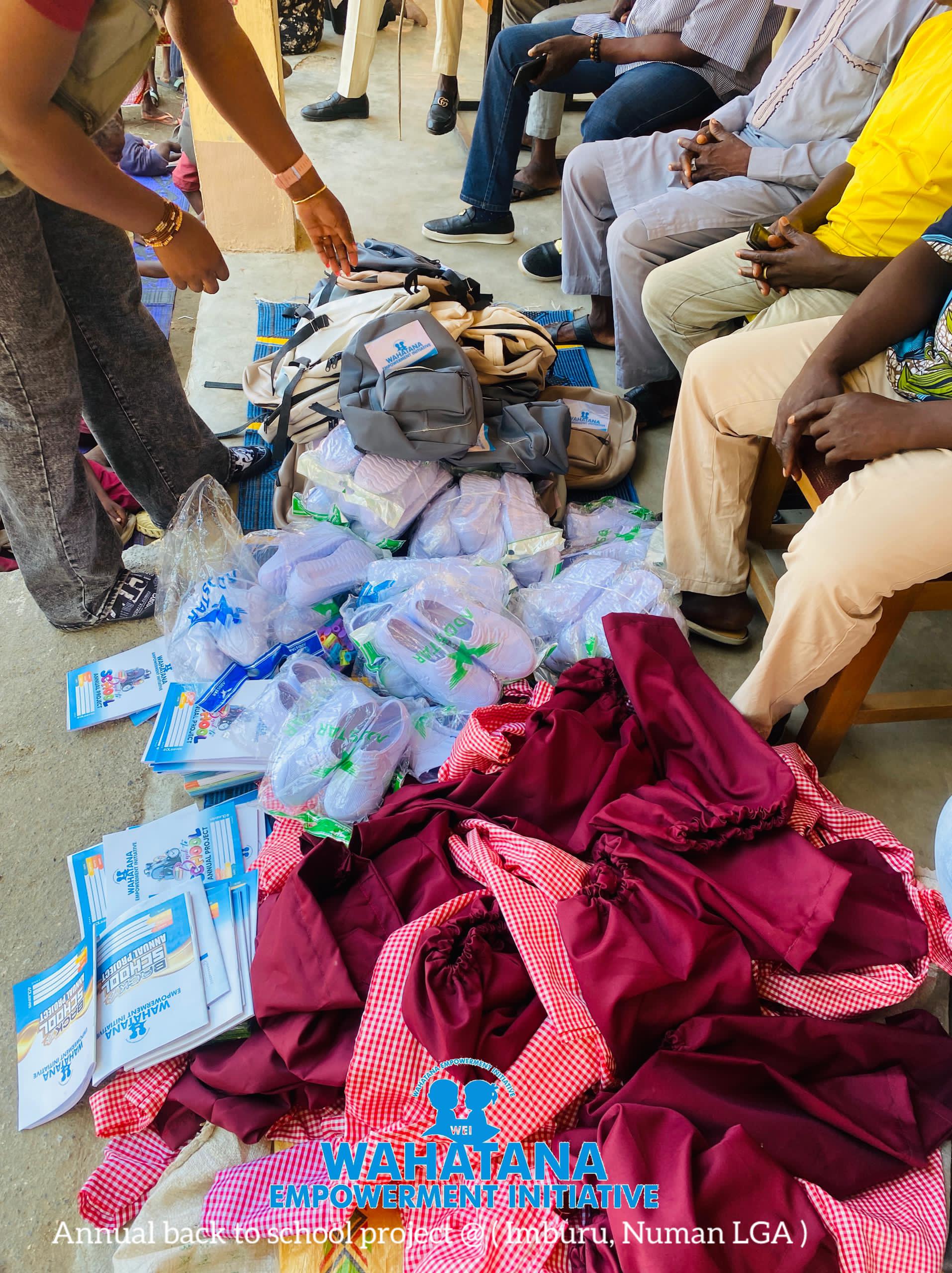
The project removed key barriers to school enrollment by providing essential educational materials including uniforms, textbooks, writing supplies, and footwear.
Key Results at a Glance
✅ 100 pupils supported
✅ 65% newly enrolled out-of-school children
✅ 100+ full school supply kits distributed
✅ Increased school attendance rates
✅ Strong community and parental engagement
The Education Crisis in Rural Adamawa State
Adamawa State, located in northeastern Nigeria, continues to face severe educational challenges driven by:
● Poverty
● Child labor
● Insecurity
● Poor school infrastructure
● Limited parental awareness
In rural communities such as Numan and Song LGAs, many children withdraw from school to support family farm labor. Although public education is officially free, indirect costs such as uniforms, books, and shoes prevent many families from enrolling their children.
WEI’s baseline assessment in Imburu and Murke communities confirmed that lack of school materials was a primary barrier to enrollment and retention.
The Back to School Project was designed to:
● Reduce the number of out-of-school children in rural Adamawa
● Promote girls’ education (target: 70% female beneficiaries)
● Support Sustainable Development Goal (SDG) 4 – Quality Education
● Strengthen community commitment to child education
By addressing both material barriers and community awareness gaps, the project aimed to create sustainable educational impact.
Project Objectives
1. Improve access to quality primary education for 100 underprivileged pupils.
2. Enroll identified out-of-school children in two rural schools.
3. Increase school attendance rates within three months of intervention.
4. Strengthen parental and community support for education.
How the Project Was Implemented
● Conducted school visits and needs assessments
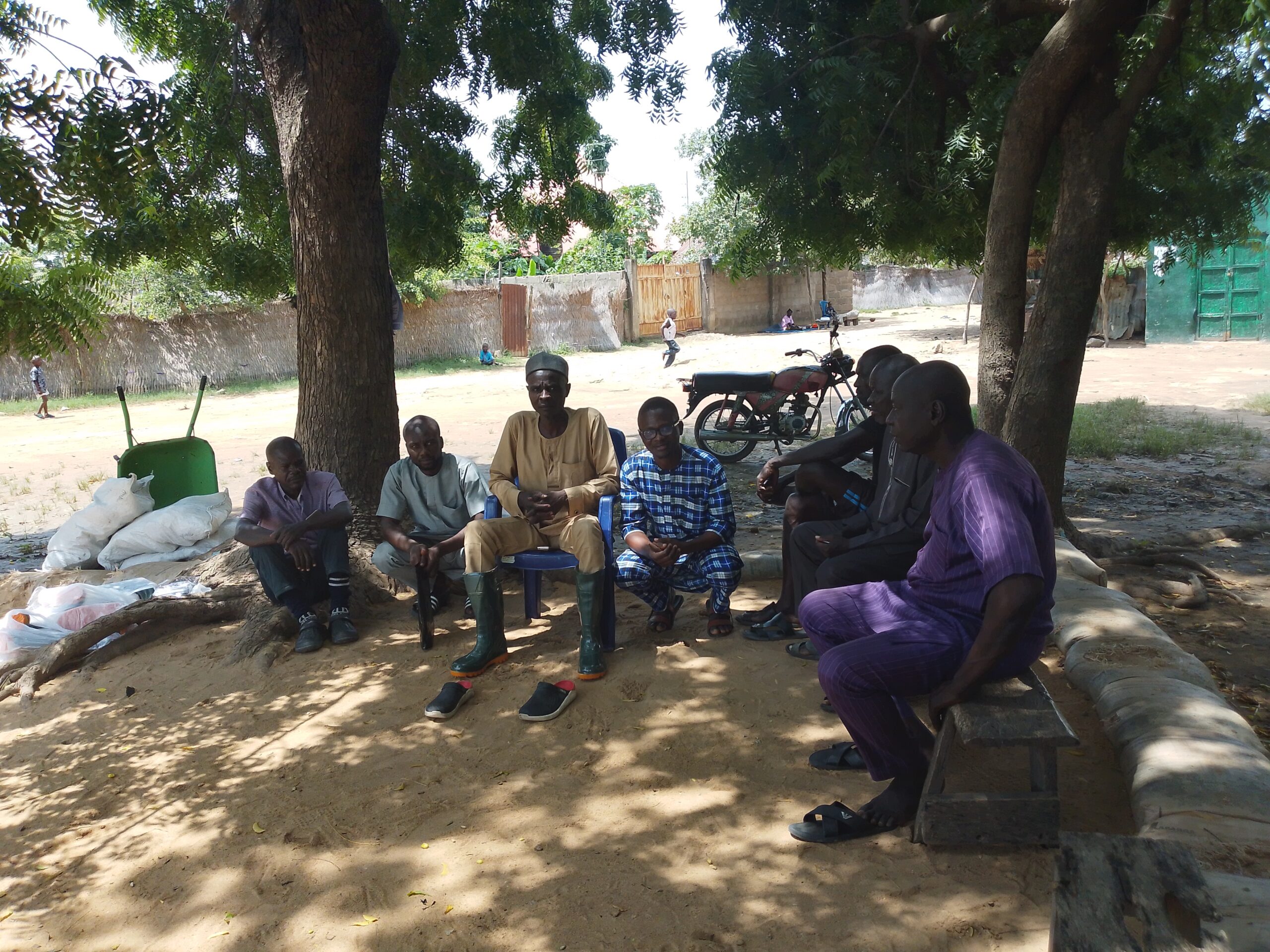
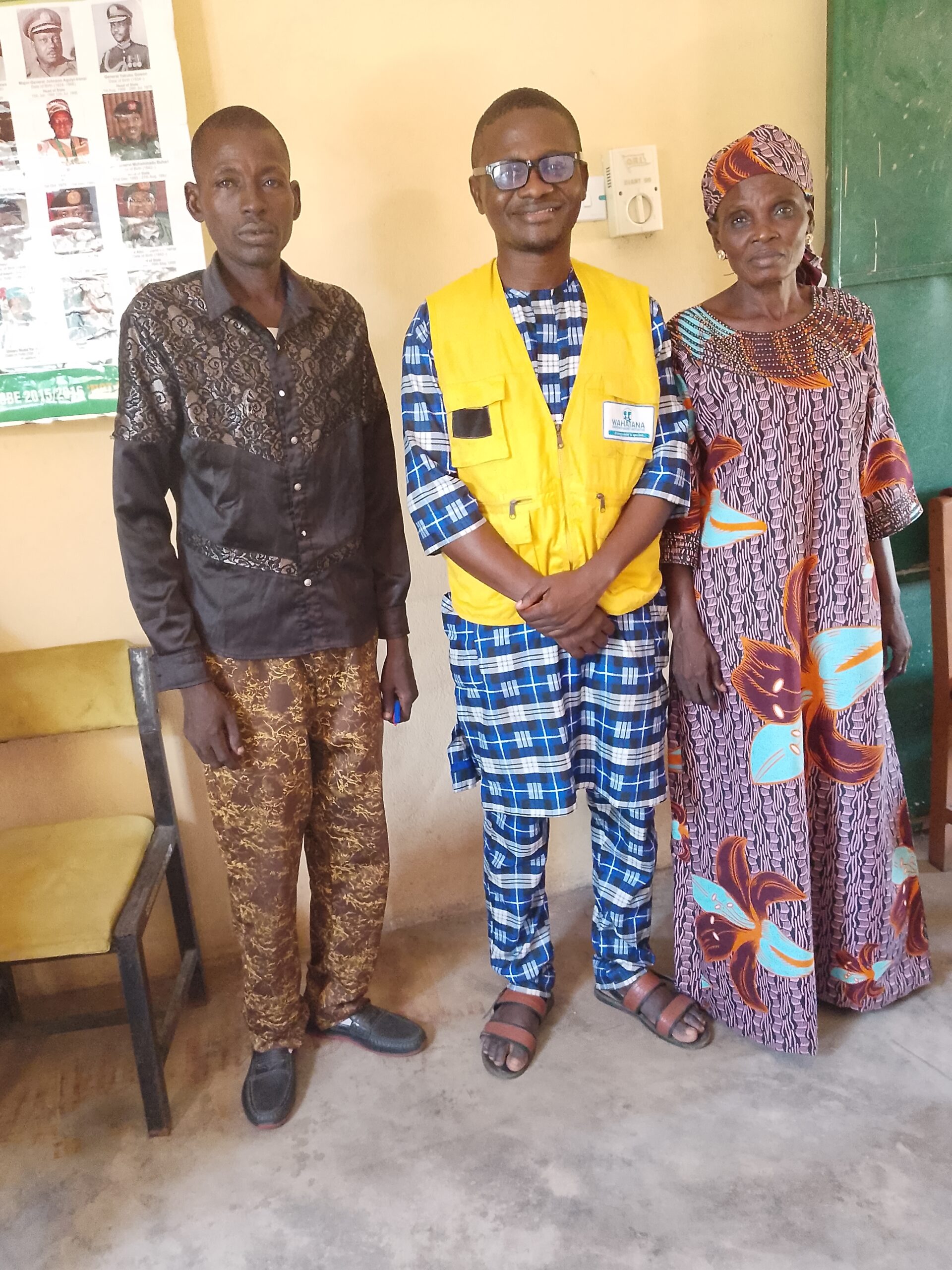
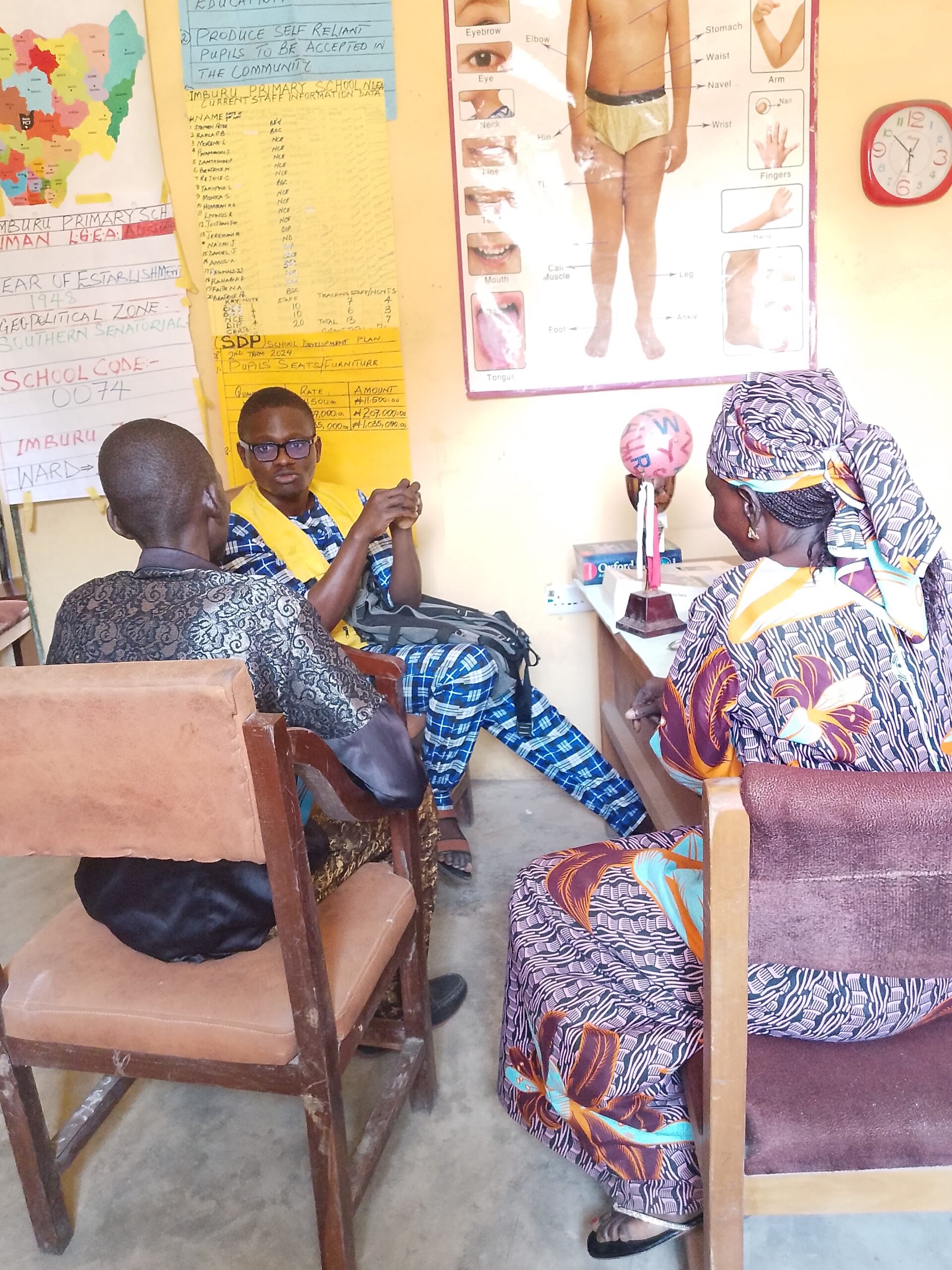
● Held stakeholder consultations with teachers and community leaders
● Carried out household surveys to identify vulnerable children
● Prioritized girls, orphans, and low-income families
● Procured school materials locally in Yola to support the local economy
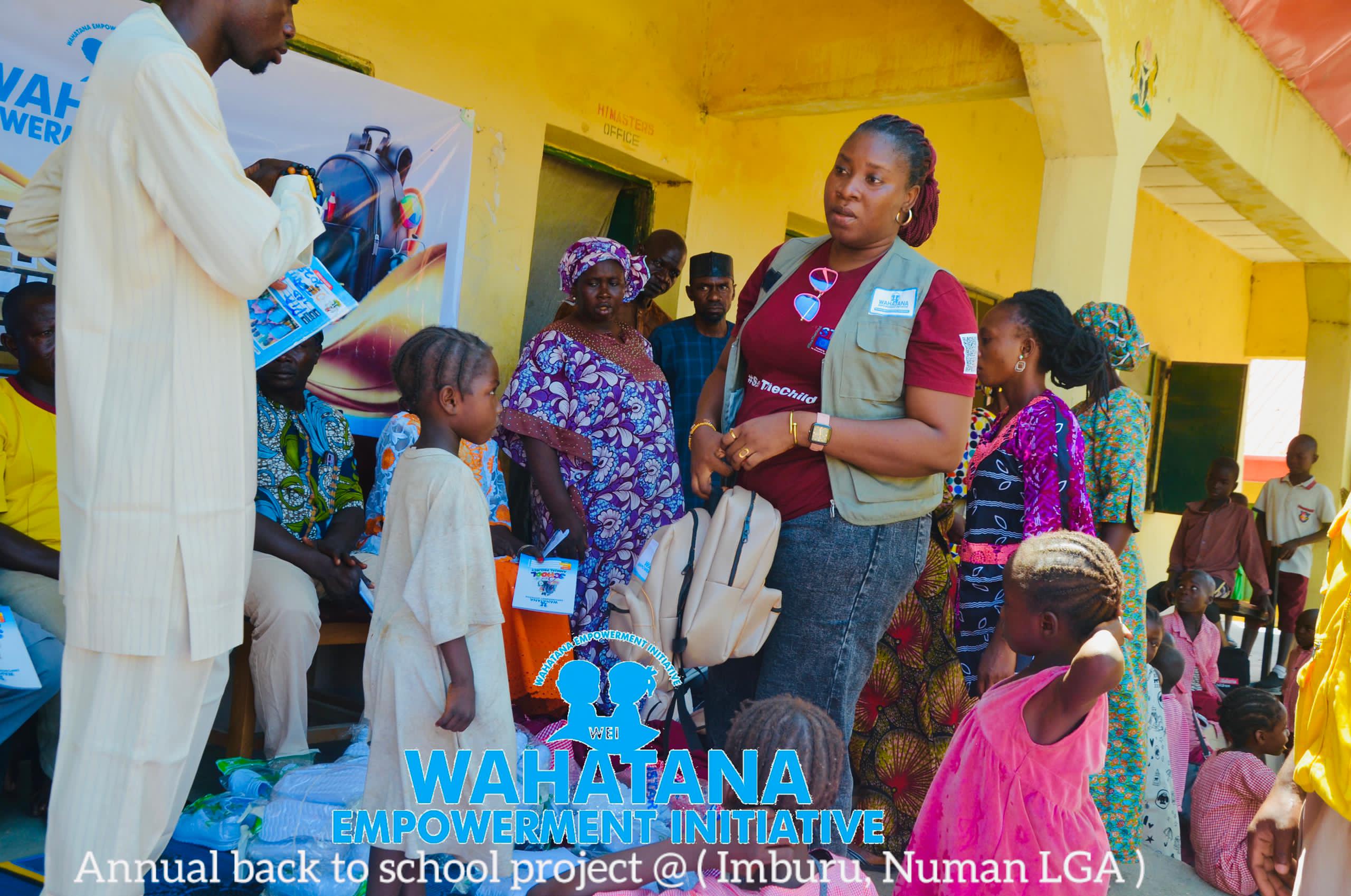
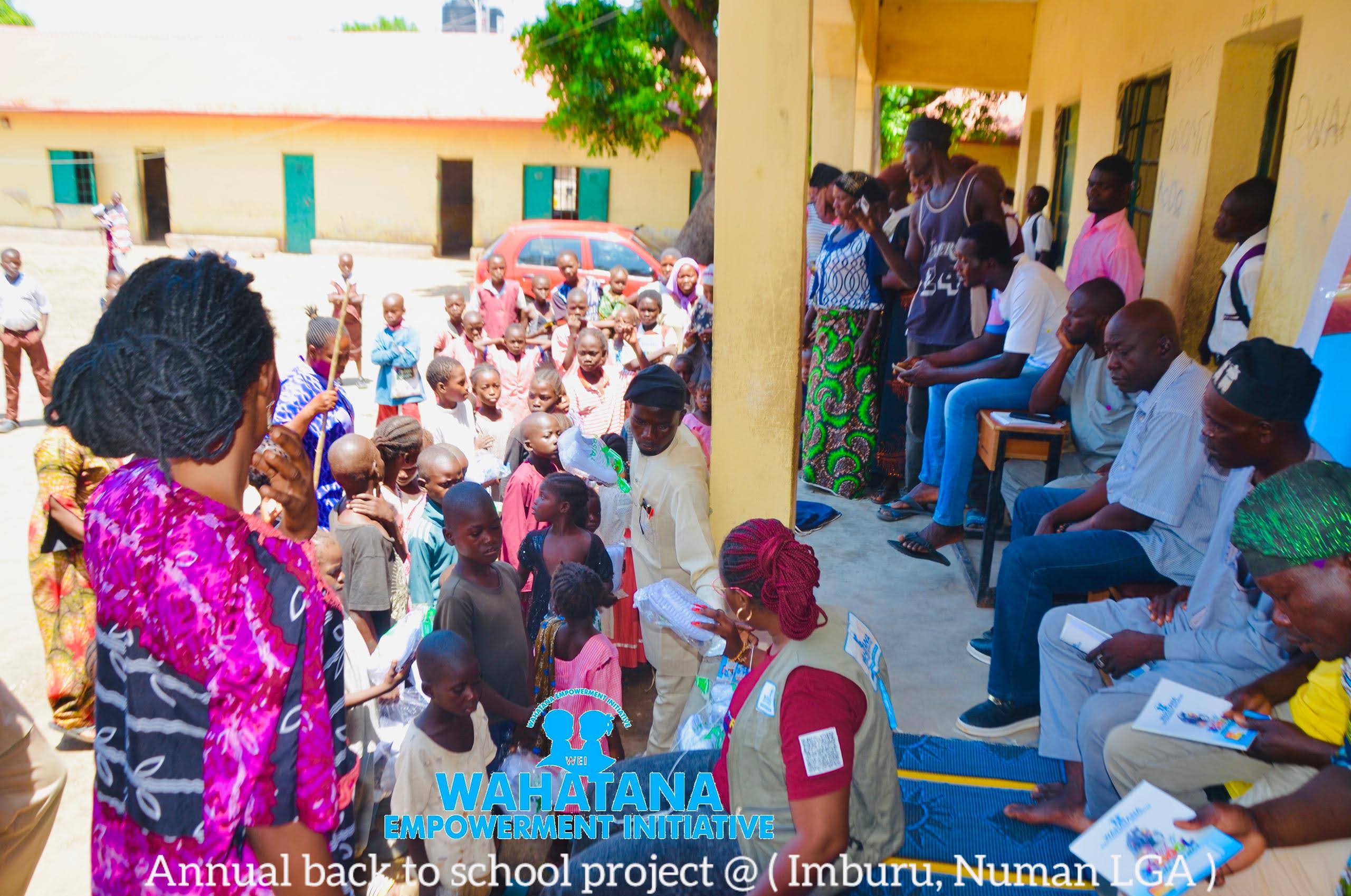
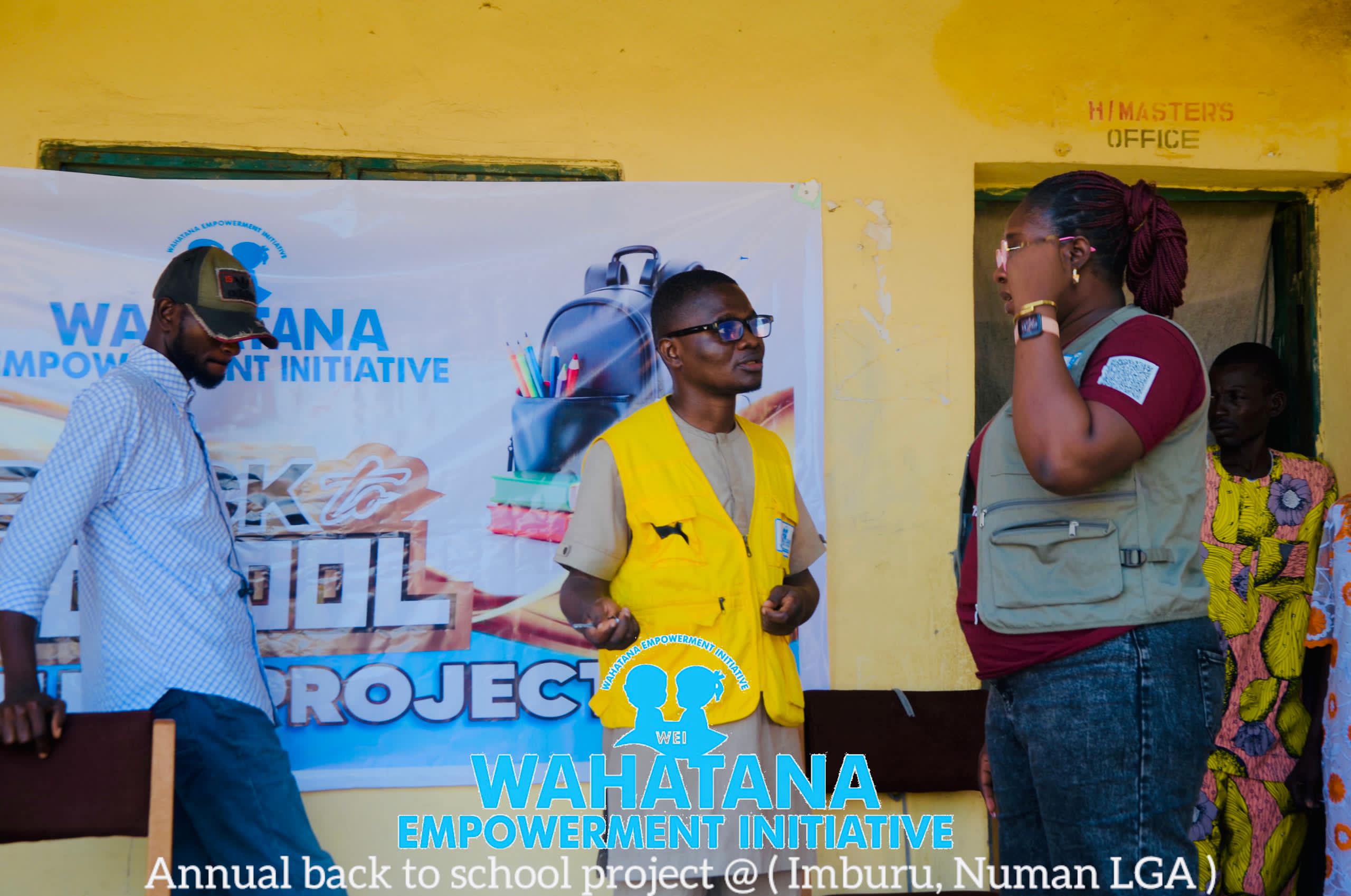
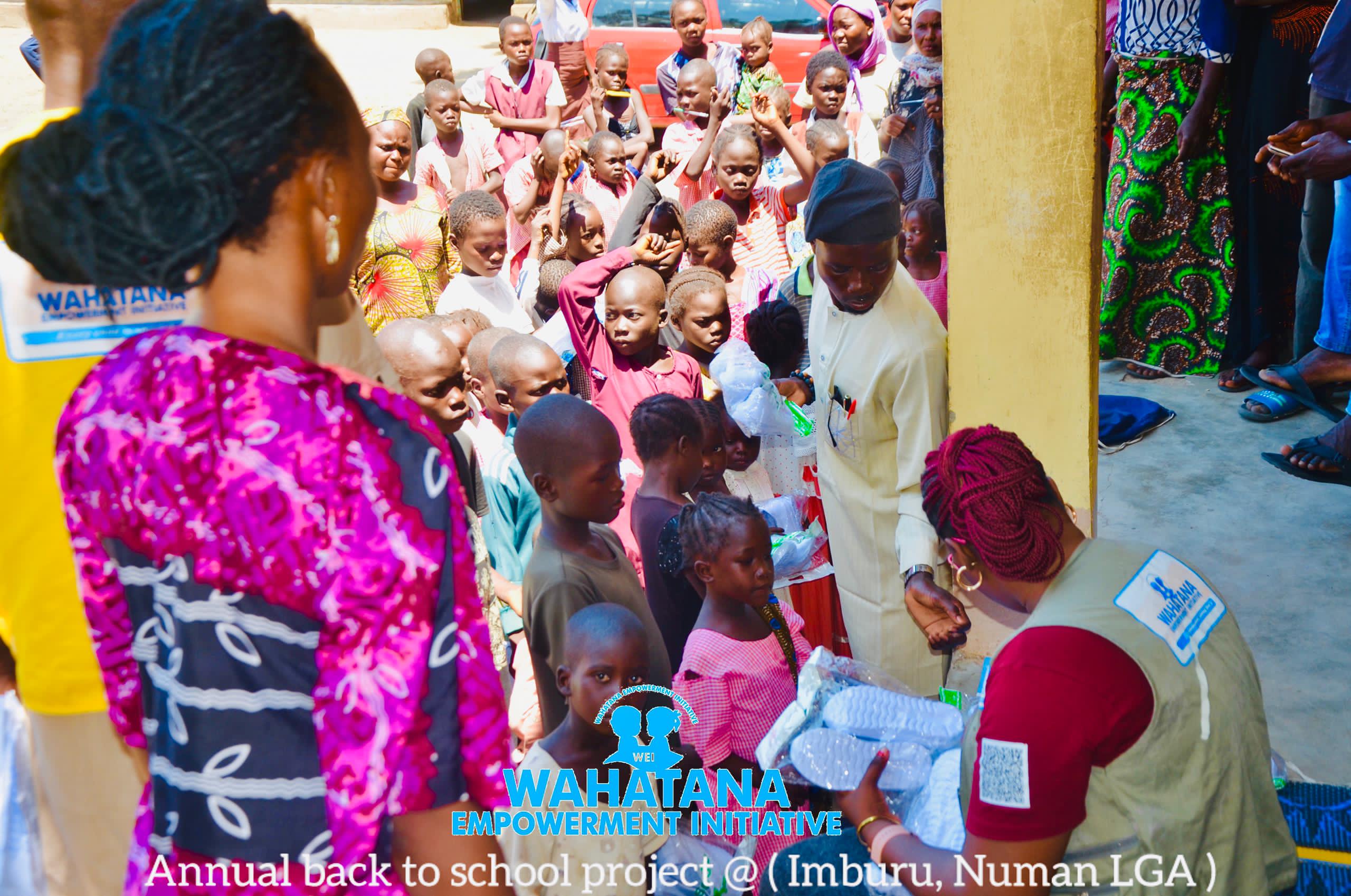
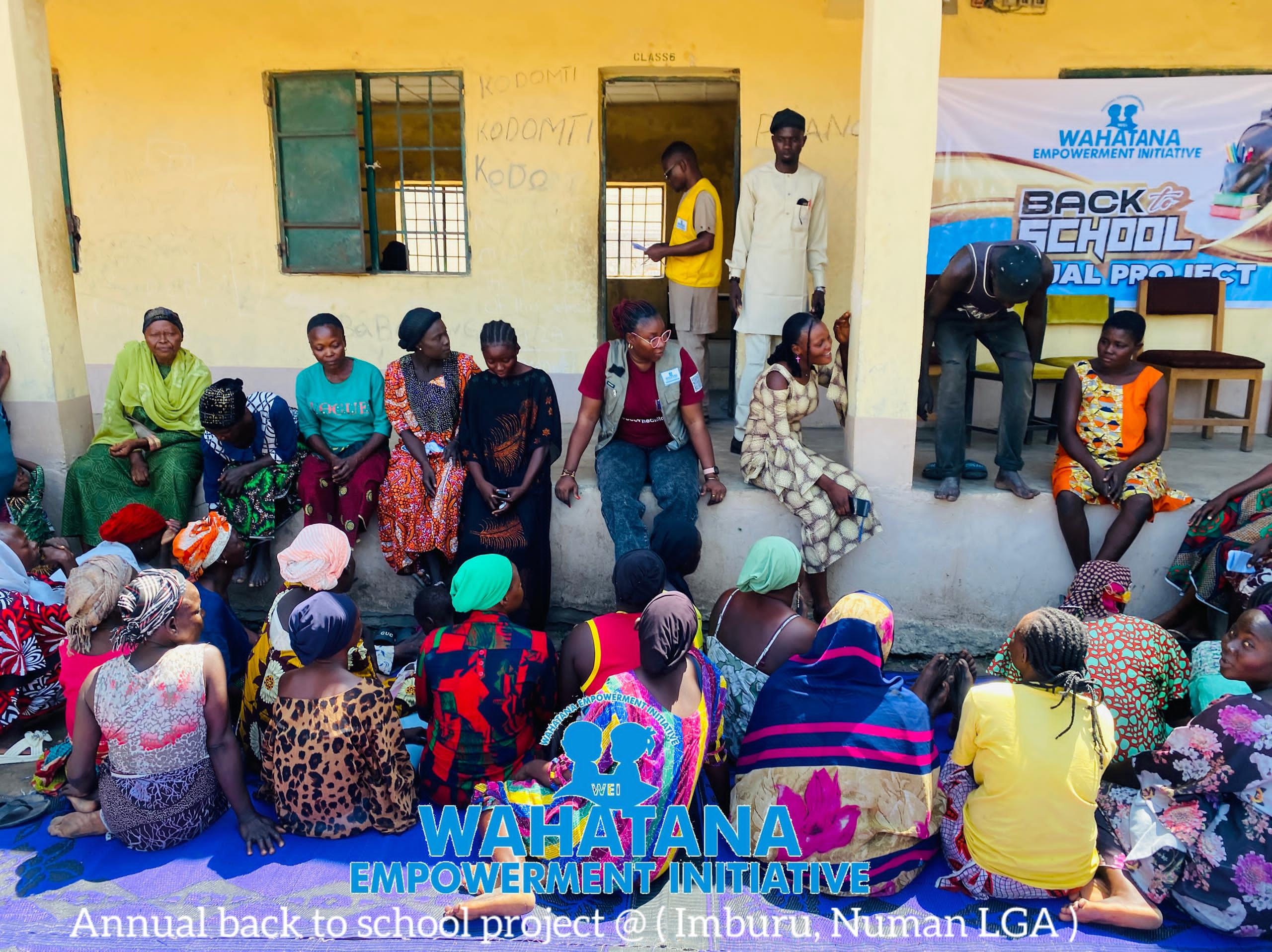
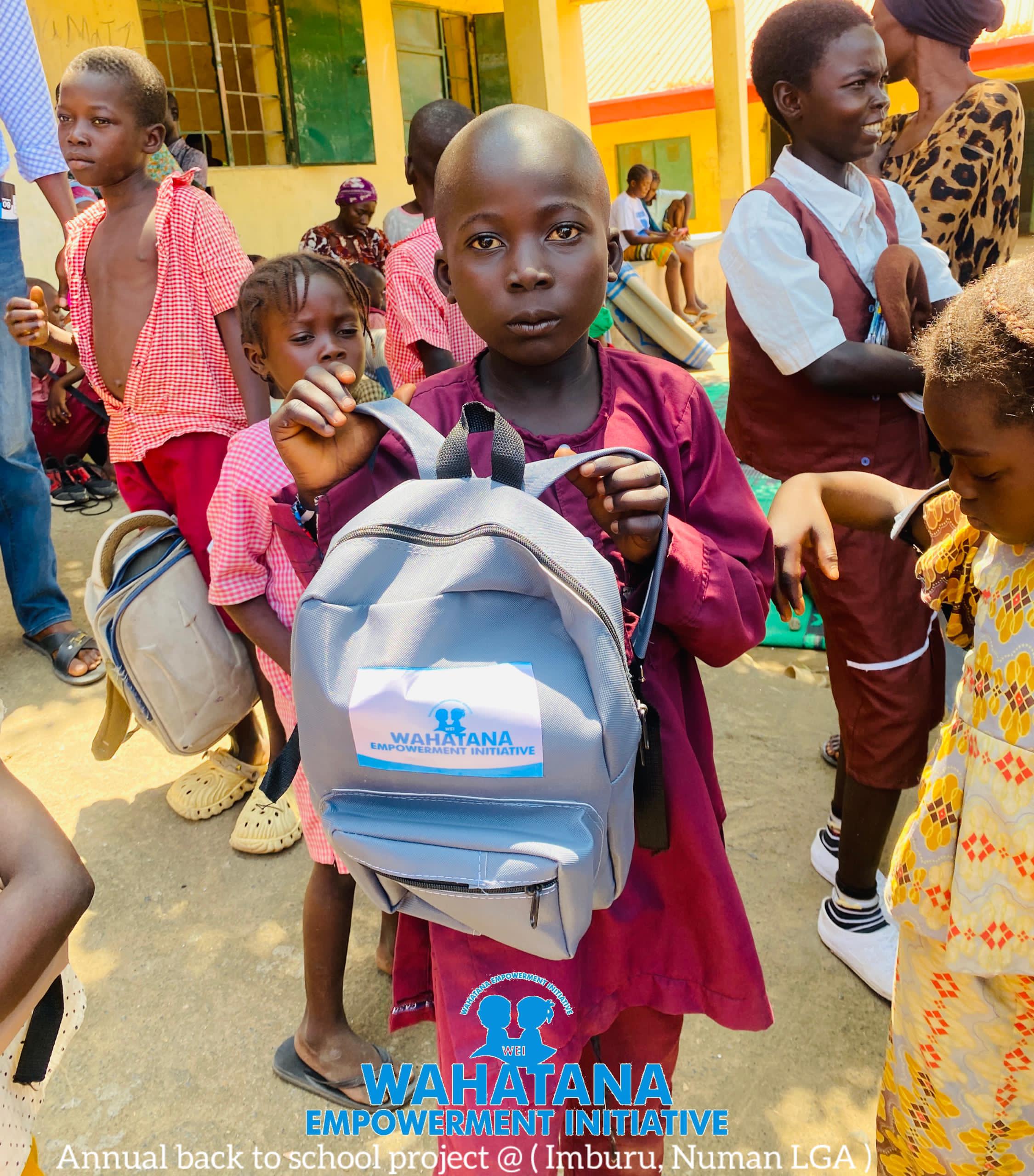
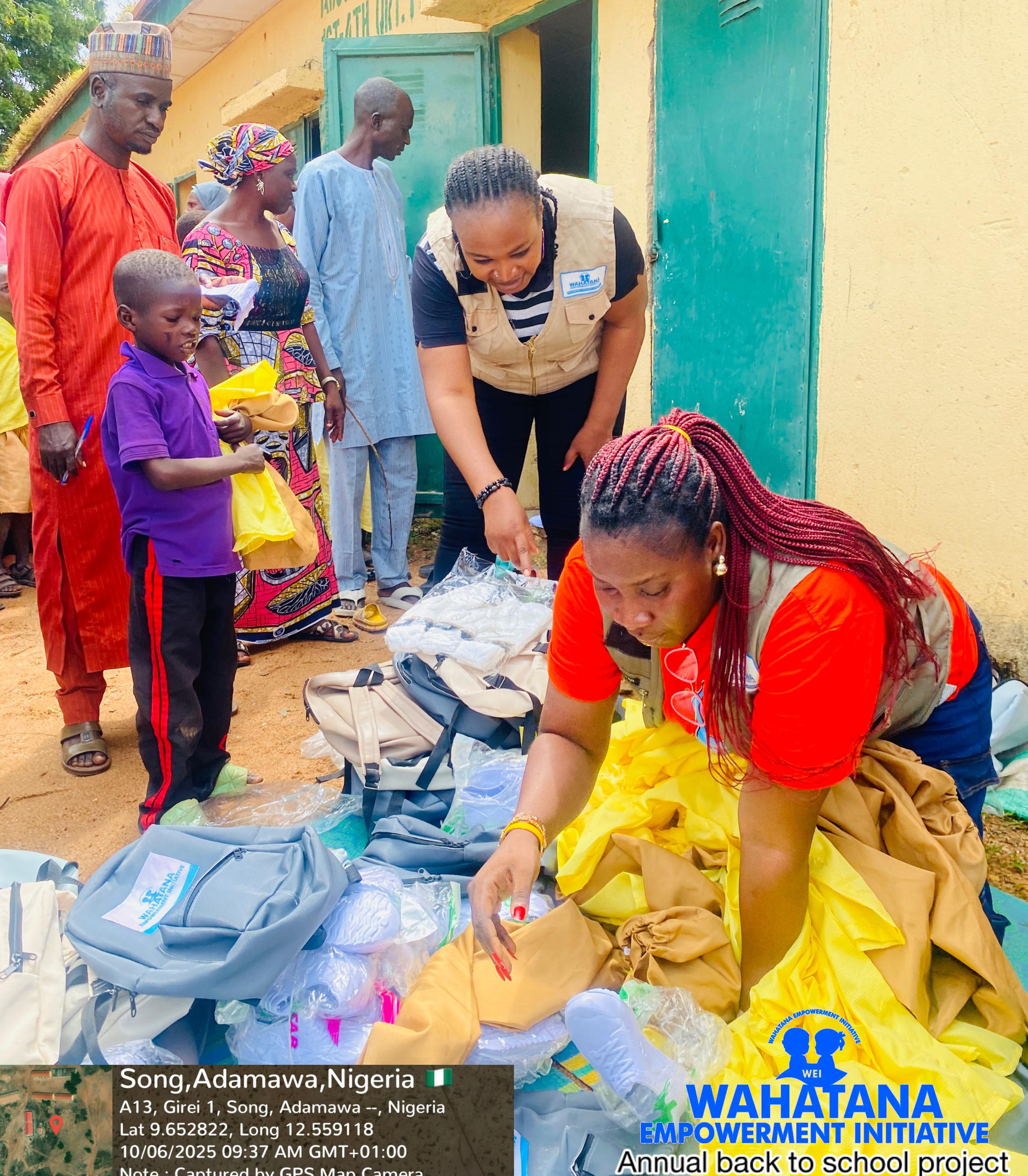
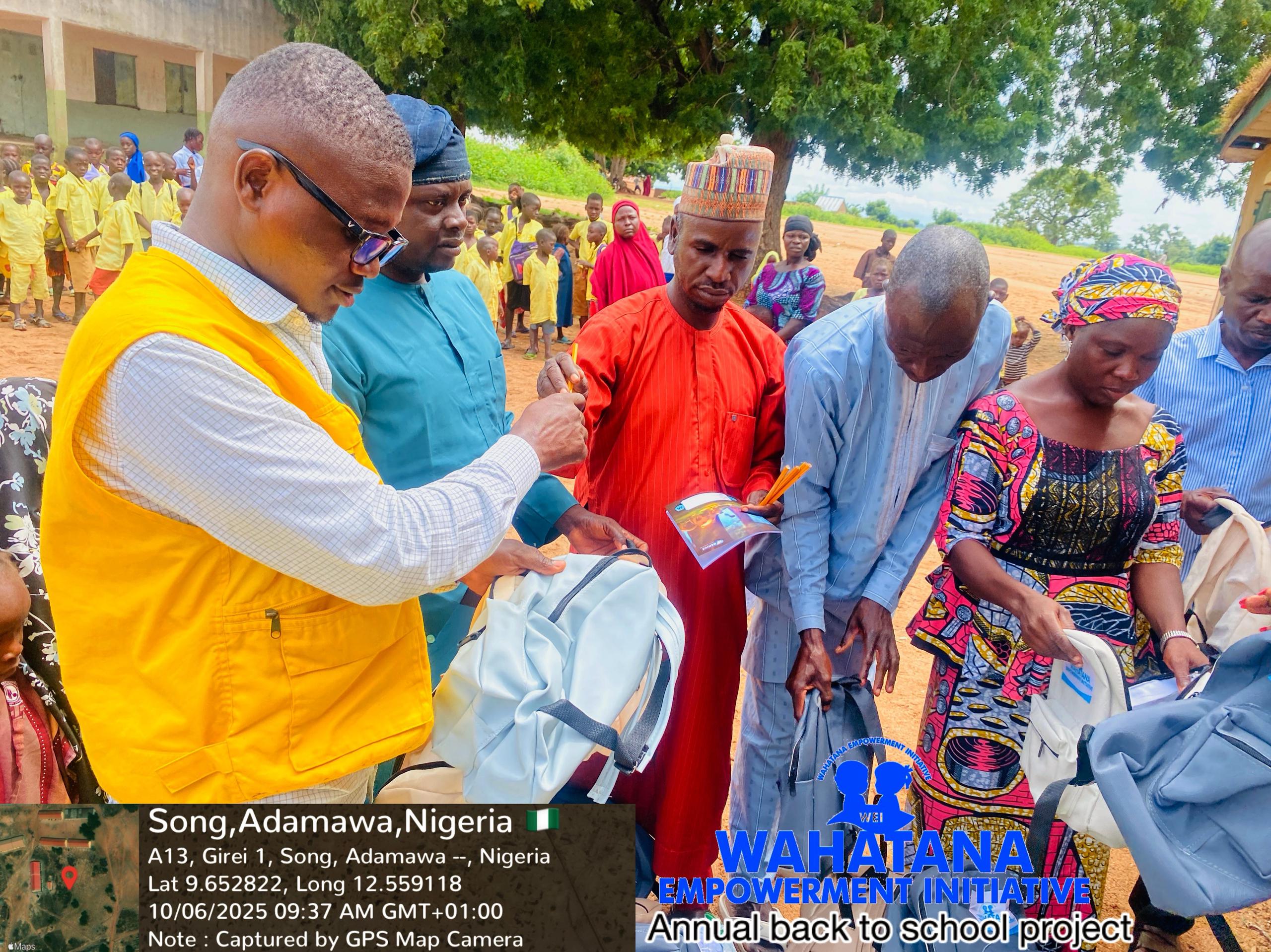
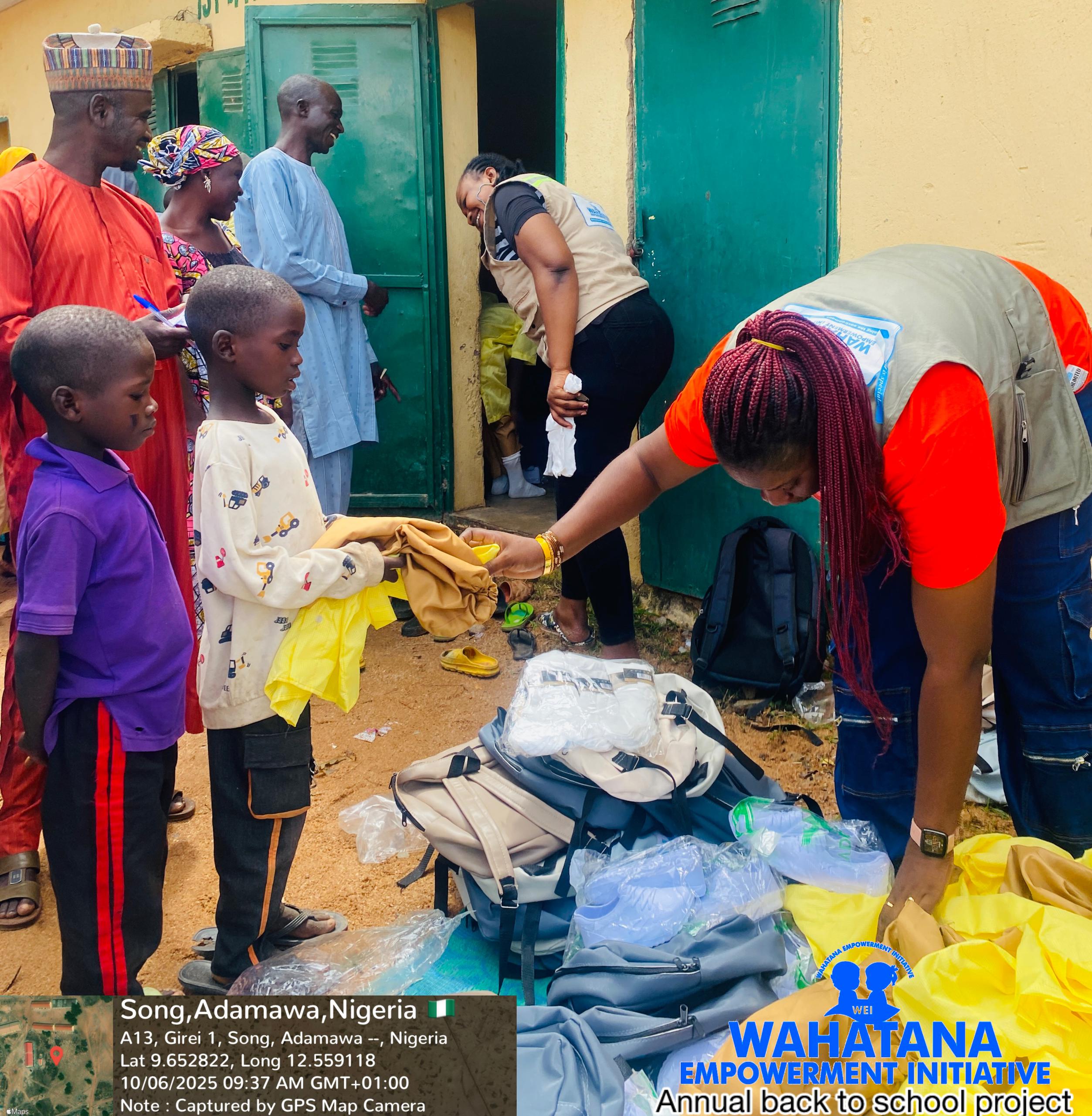
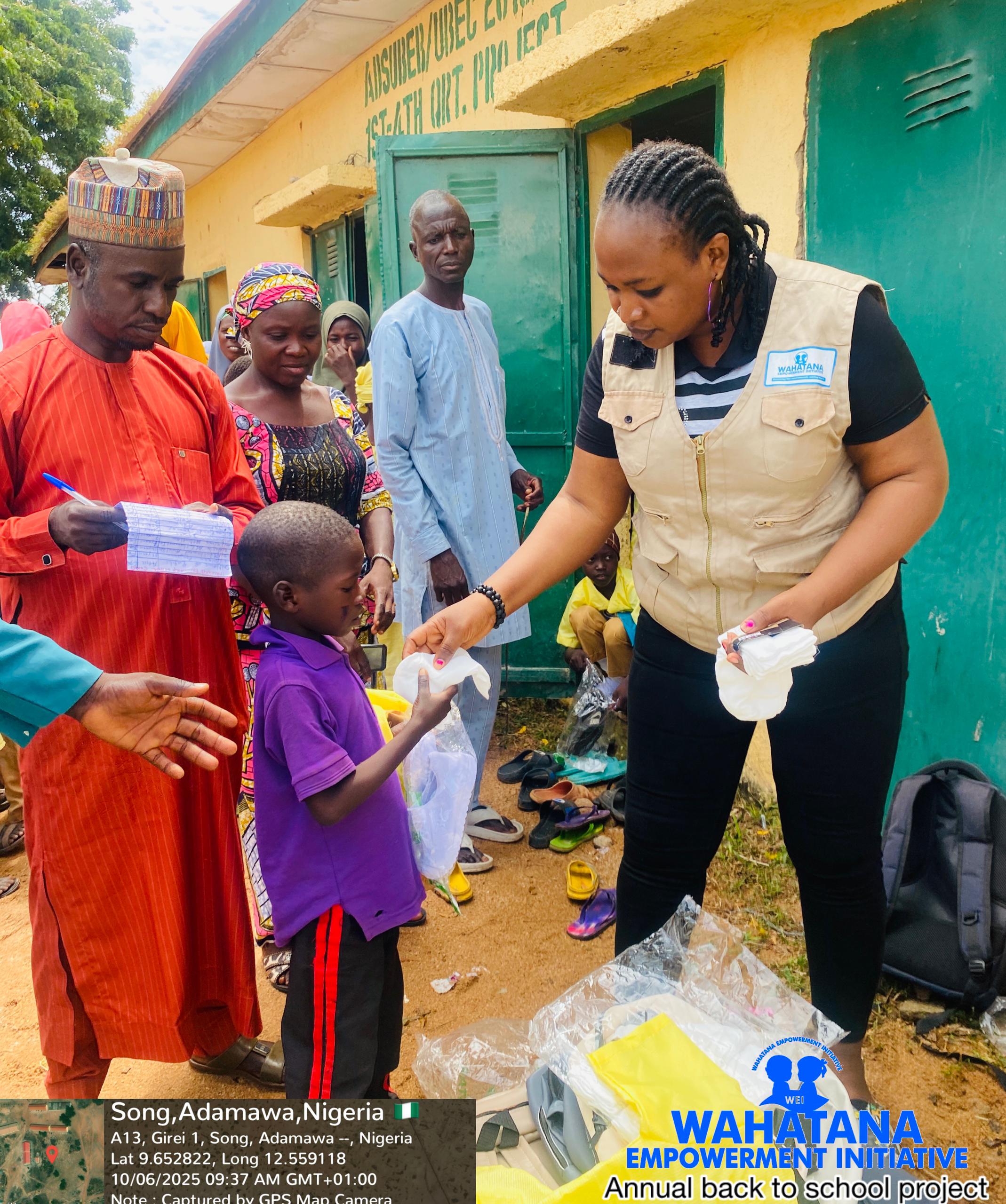
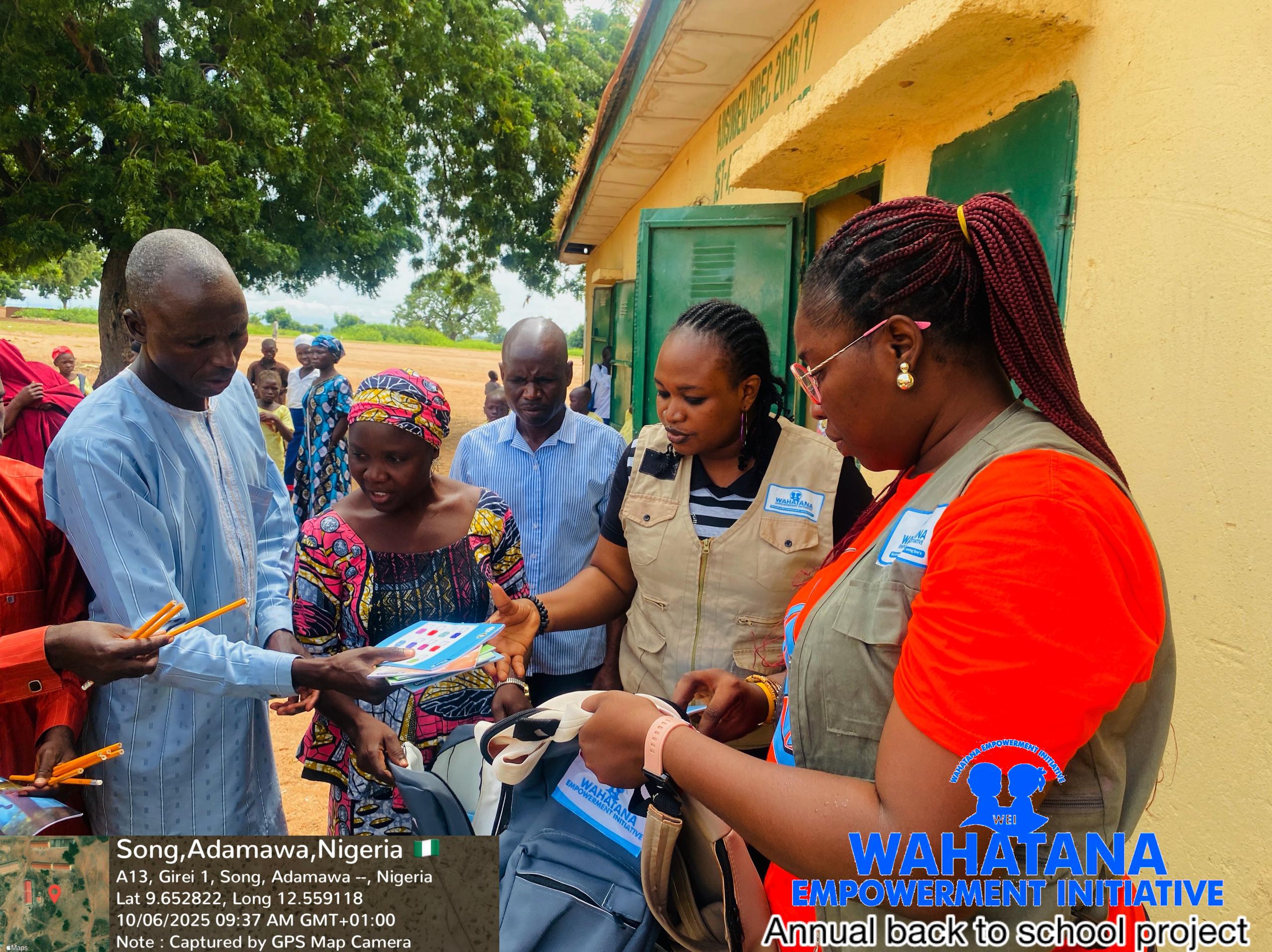
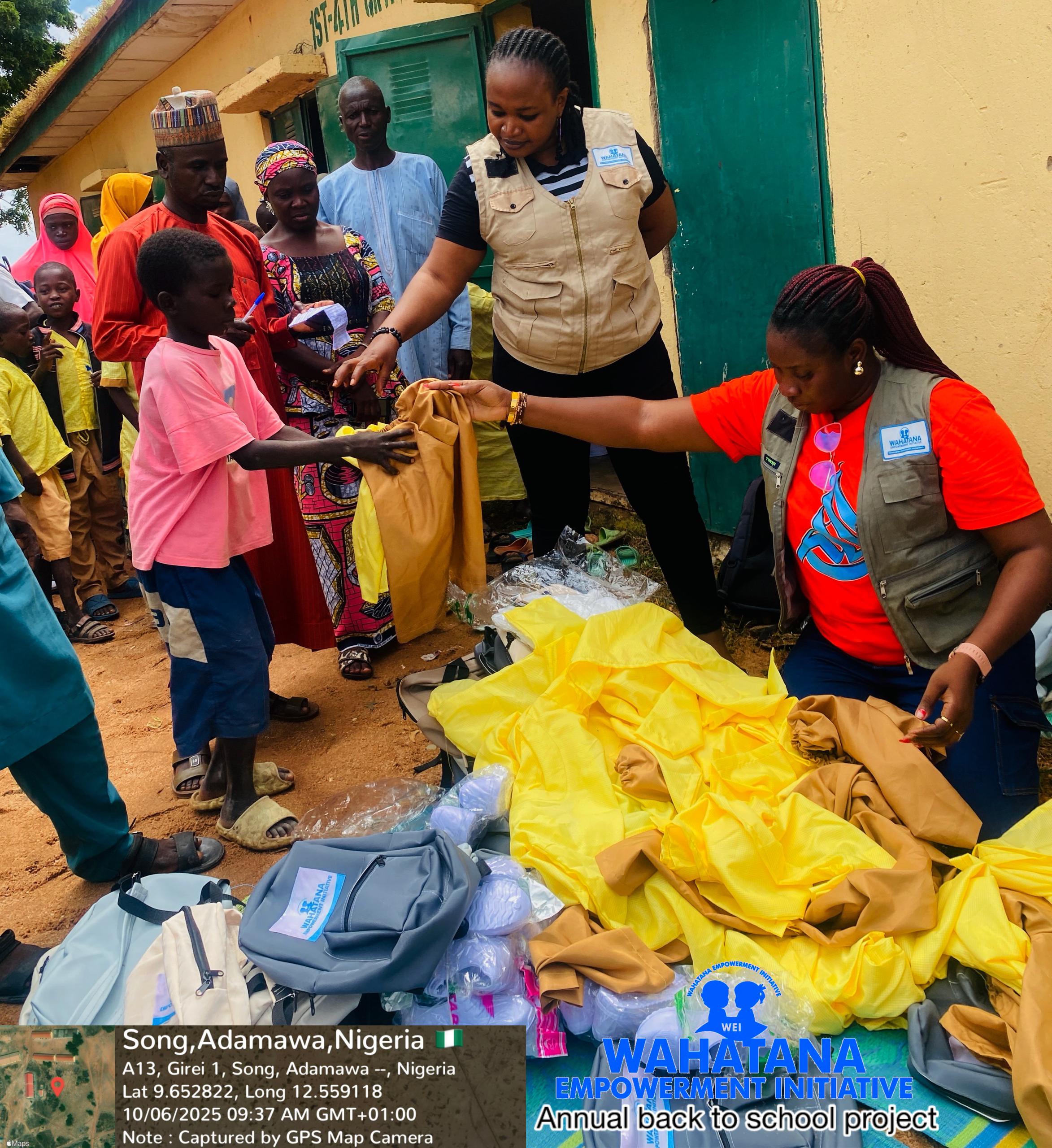
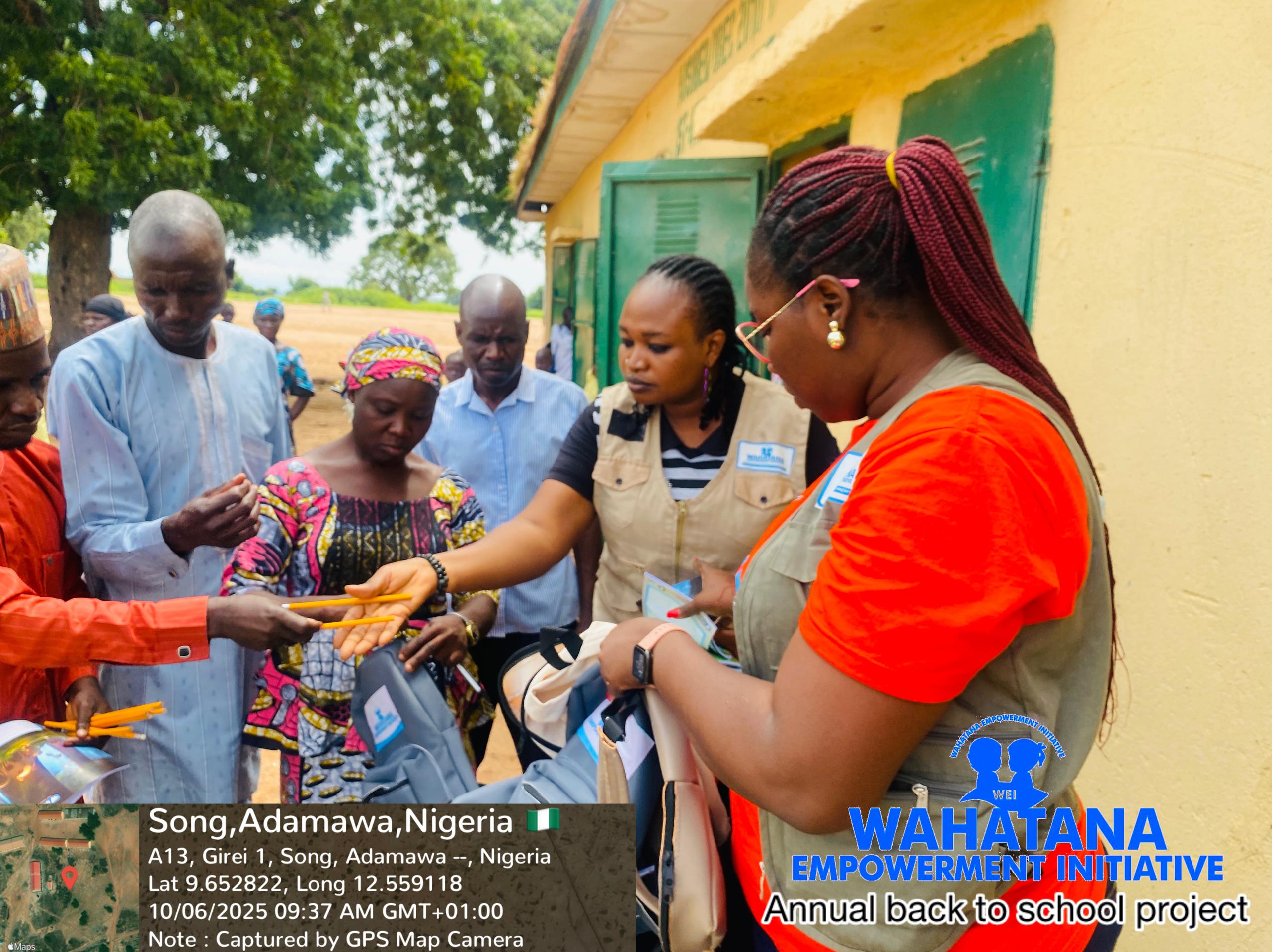
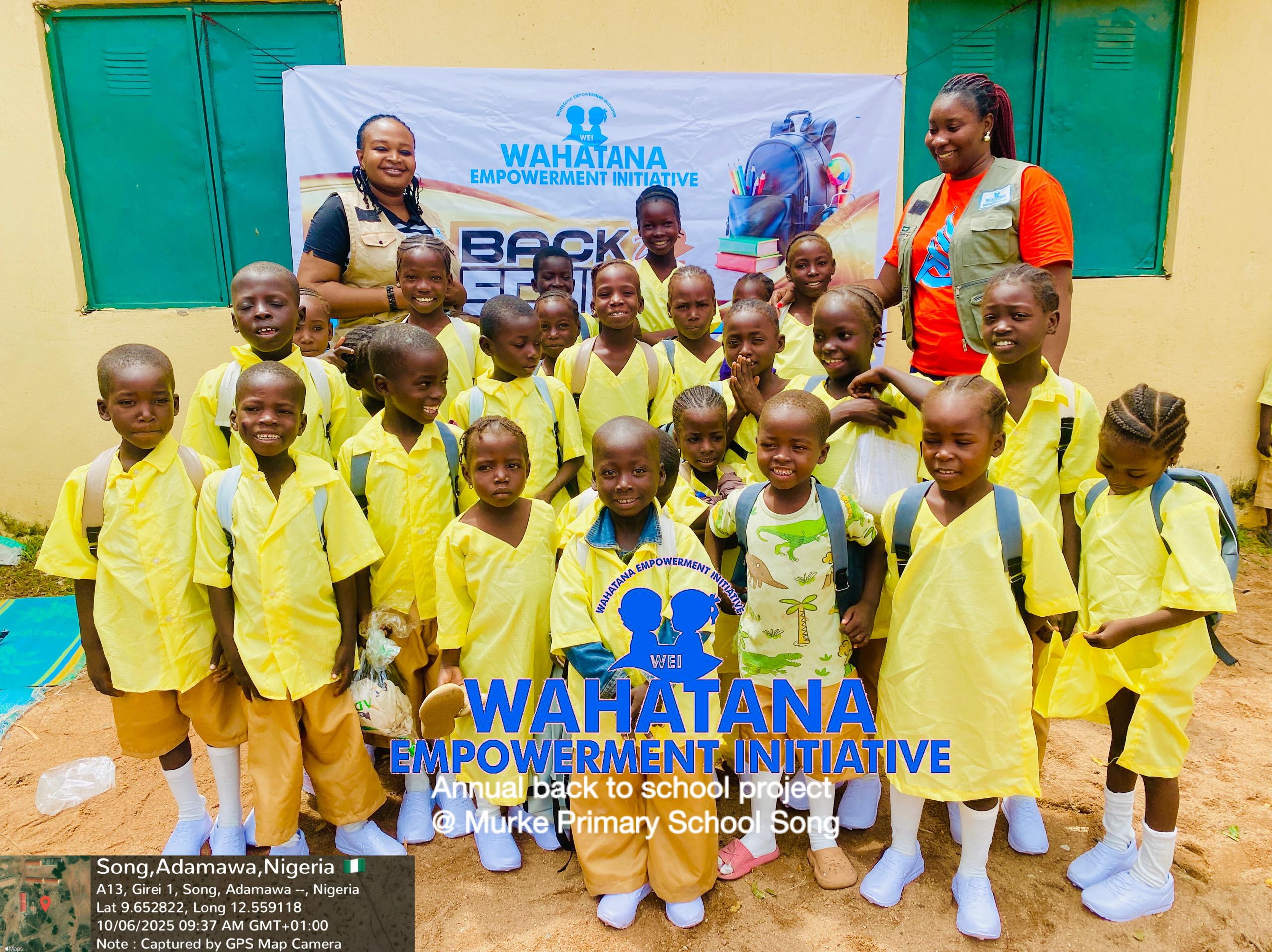
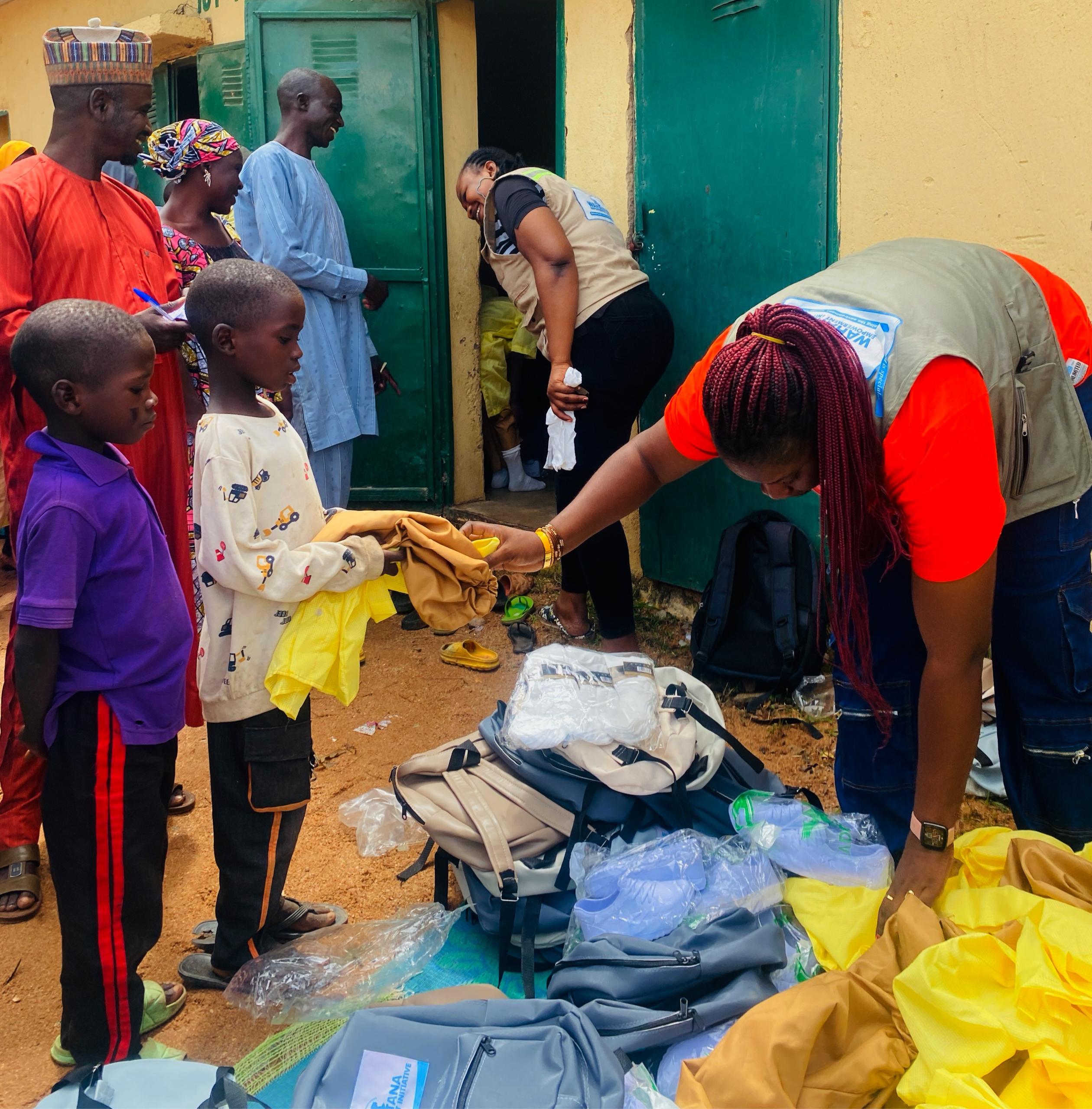
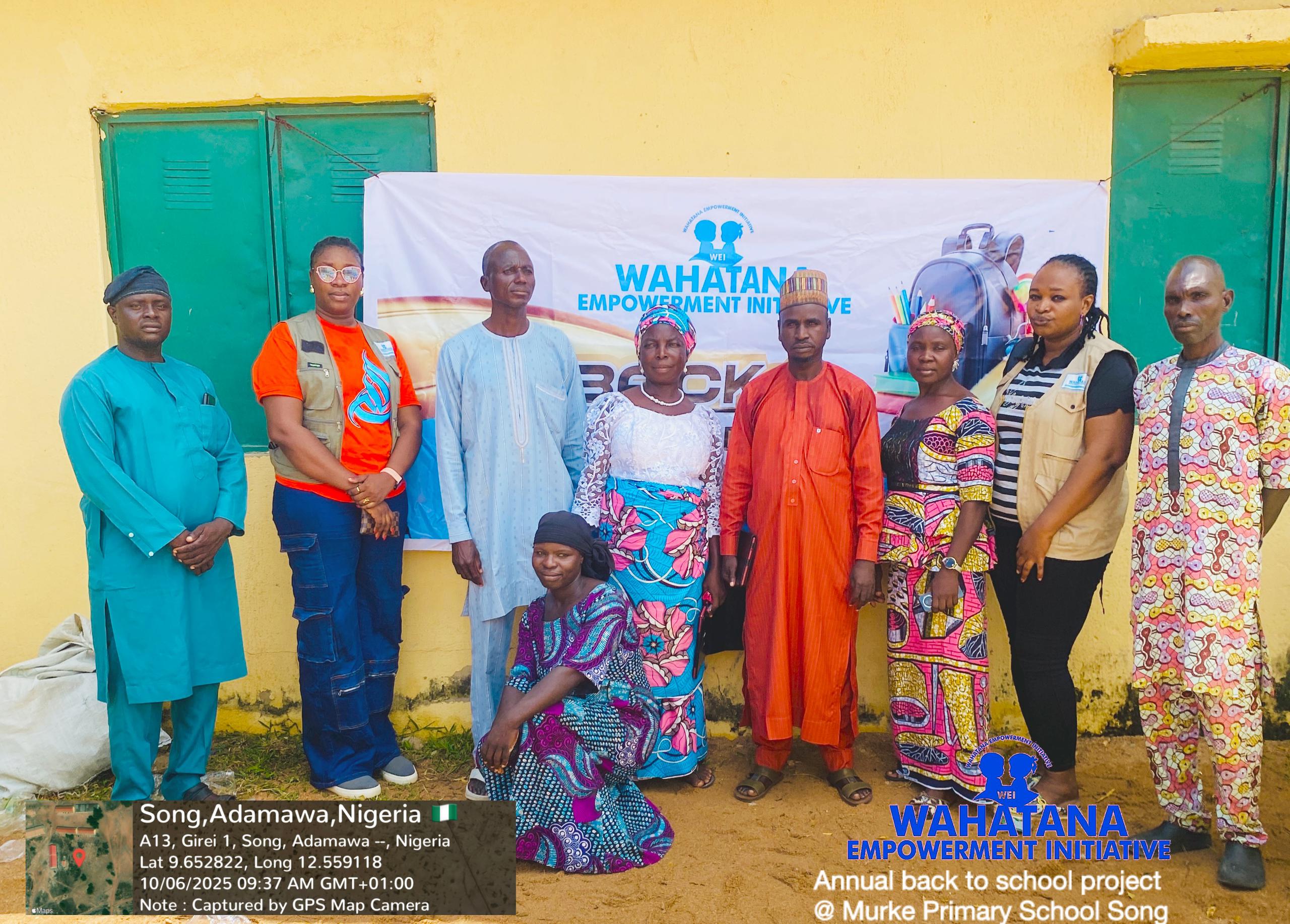
Distribution ceremonies were held in both schools, attended by:
● Community leaders
● Parents
● School authorities
WEI representatives
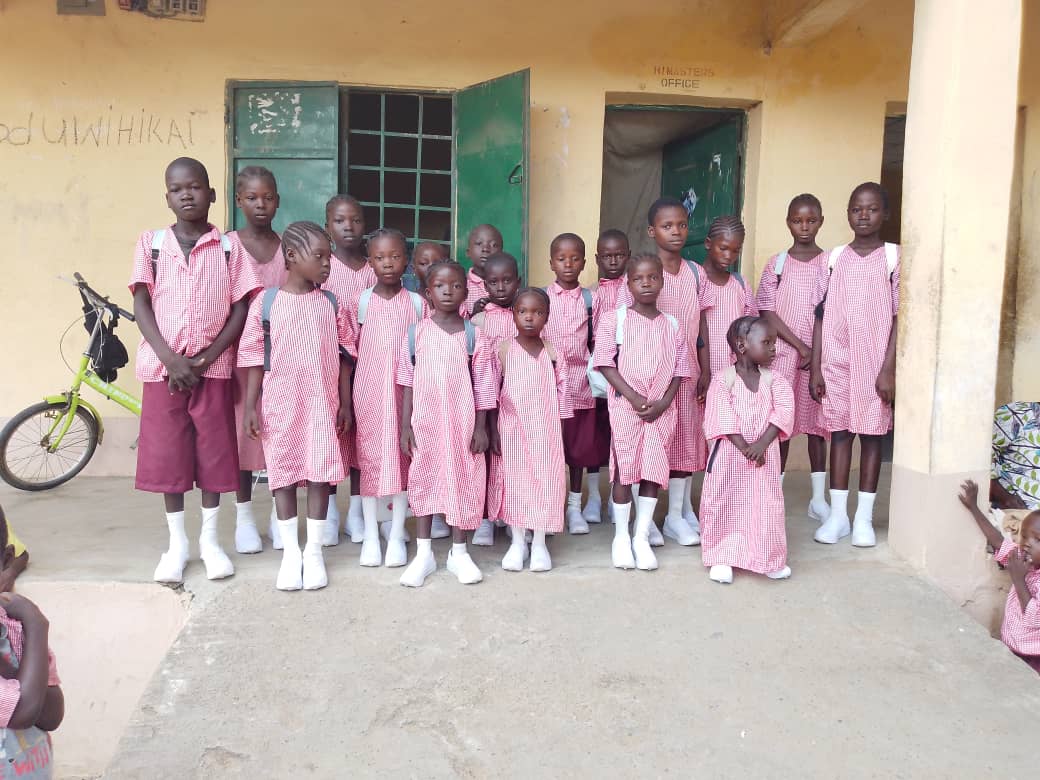
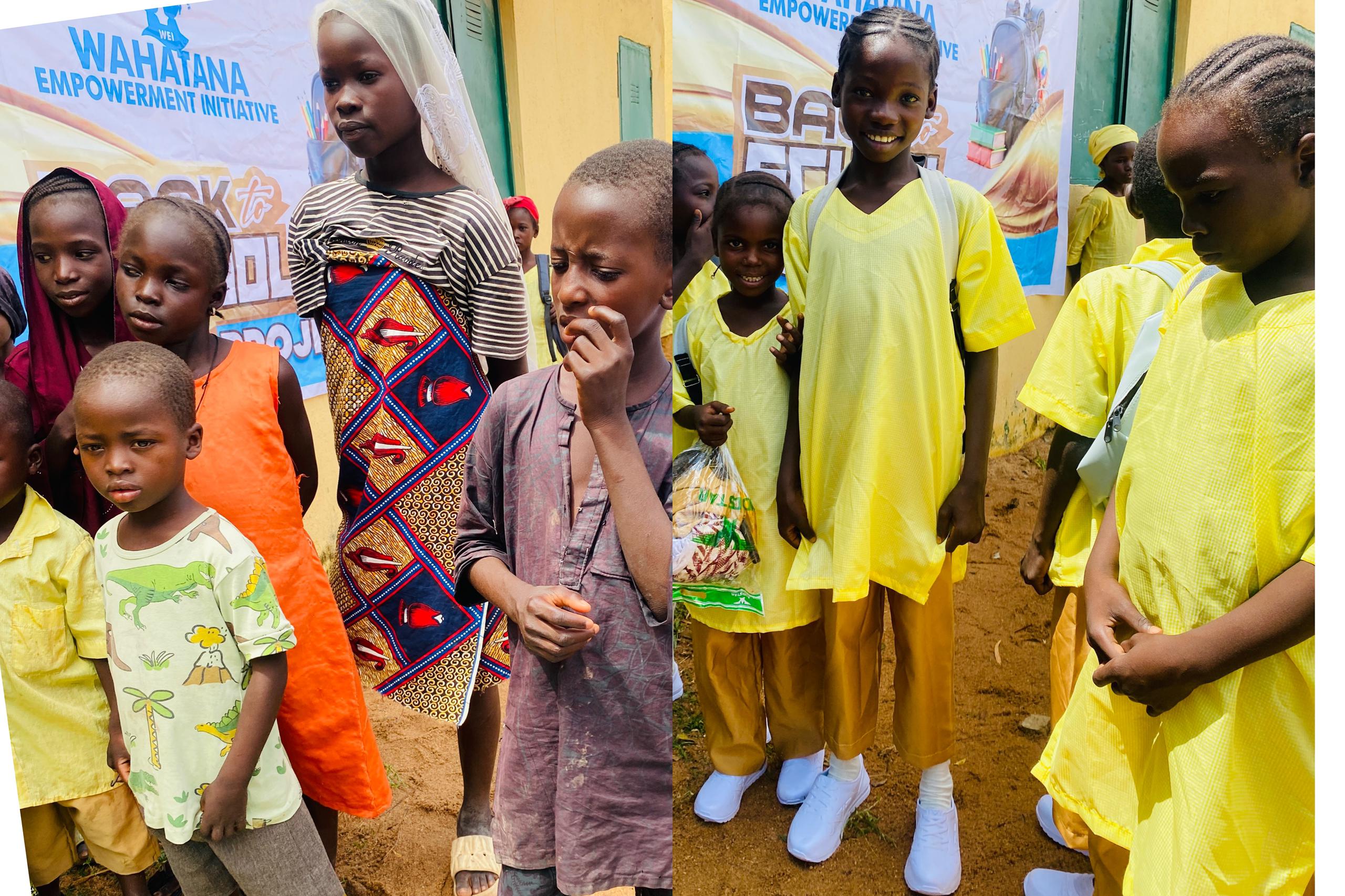
Each beneficiary received:
✔ School uniform
✔ Textbooks (all required subjects)
✔ Writing materials
✔ School sandals
✔ Full learning kit
Out-of-school children were formally enrolled during the ceremonies.
WEI conducted advocacy workshops covering:
● The importance of education
● Child rights awareness
● Risks of child labor
●The long-term value of keeping children in school
This strengthened community ownership and parental commitment to sustained school attendance.
Notable Impact Highlights
● 65% of beneficiaries were newly enrolled pupils
● Increased enthusiasm for school attendance
● Improved confidence among pupils
●Strengthened school-community relationships
Community feedback was overwhelmingly positive, with parents expressing renewed hope for their children’s future.
Challenges Encountered
While the project achieved its objectives, several challenges were observed:
● Poor waste management at Murke Primary School
● Child fatigue due to farm labor responsibilities
● Seasonal withdrawal of pupils during harvest periods
● Parent identification difficulties during enrollment
● High number of additional vulnerable children beyond project capacity
These insights will inform future program improvements.
Recommendations for Future Interventions
To scale impact and improve sustainability, WEI recommends:
● Expanding funding to reach more out-of-school children
● Introducing psychosocial support services
● Increasing media visibility for education advocacy
● Strengthening Monitoring & Evaluation (M&E) with digital tools
● Including teacher support and training in future phases
Conclusion
The Back to School Project 2025 successfully improved access to education for 100 vulnerable children in rural Adamawa State. By combining material support with community advocacy, WEI has strengthened the foundation for long-term educational advancement and poverty reduction.
Education is not just preparation for life; it is life itself. And every child deserves that opportunity.
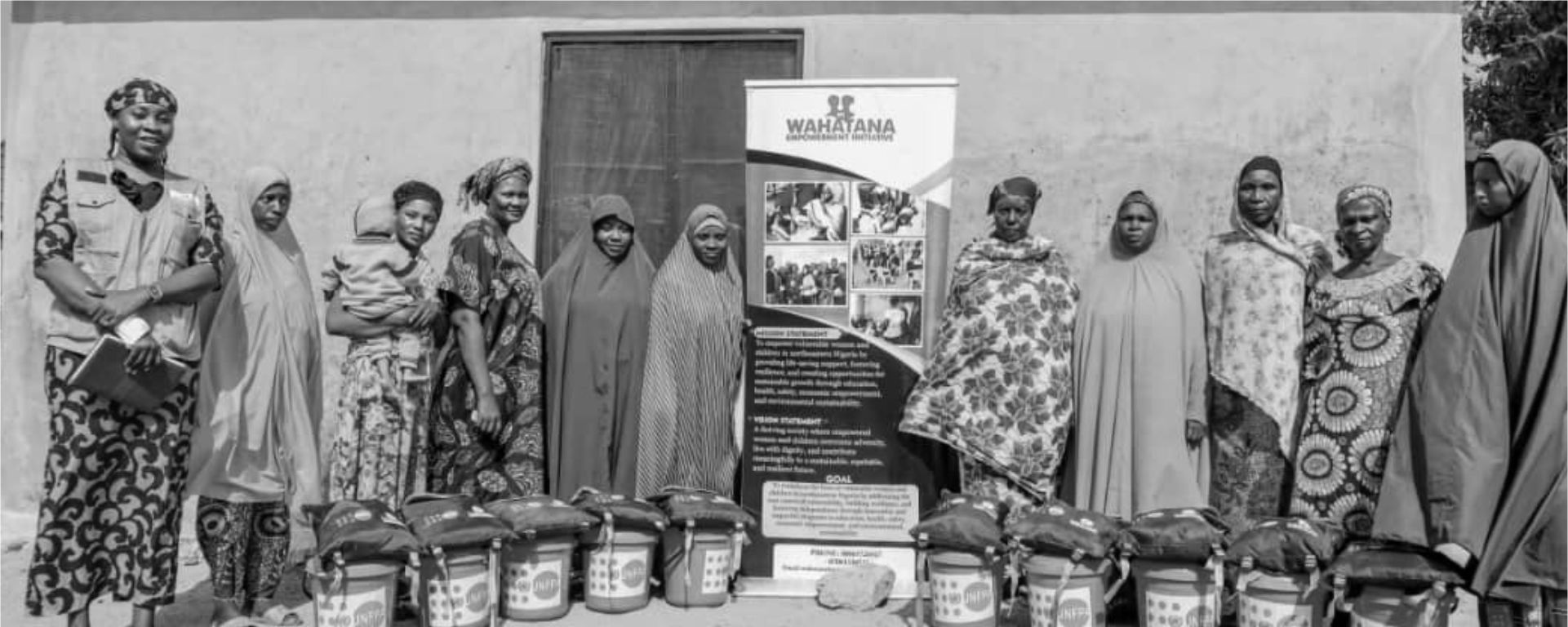
Photo Gallery